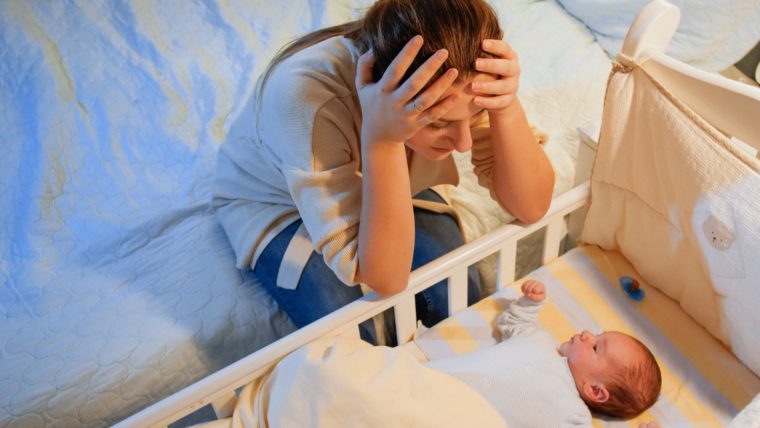


When Scary Thoughts Need Different Kinds of Help
Frightening news stories involving mothers and children can make pregnant and postpartum families worry about every difficult thought or mood change. We want you to know that intrusive thoughts, anxiety, depression, OCD, and postpartum psychosis are not the same thing, even though they can all happen during pregnancy or after birth.
At the Postpartum Depression Alliance of Illinois, we provide information about perinatal mental health concerns so families can better understand what they are seeing and feeling. Only a qualified health care professional can diagnose a condition, but knowing the differences can reduce shame and help you recognize when immediate medical care is needed.
Postpartum Psychosis Requires Emergency Medical Care
Postpartum psychosis is rare, severe, and urgent. It most often begins in the days or weeks after childbirth, though symptoms can appear later in the first postpartum year. It can come on quickly, sometimes over hours or days, and may be linked with bipolar disorder or a previous history of psychosis.
What separates postpartum psychosis from anxiety, depression, or unwanted thoughts is a loss of contact with reality. A person may not realize they are ill because their beliefs, fears, or experiences feel completely real to them.
Warning signs can include:
- Hearing voices or seeing things that others do not hear or see
- Strong beliefs that are not based in reality, such as believing they have a special mission or that someone is trying to harm the baby
- Severe confusion, paranoia, disorganized speech, or behavior that is very out of character
- Rapidly changing moods, intense agitation, or unusual energy
- Little or no need for sleep without feeling tired
Postpartum psychosis is not caused by being a bad parent, not loving a baby, or having one upsetting thought. It is a medical emergency. If someone seems disconnected from reality, is severely confused, is talking about harming themselves or another person, cannot safely care for themselves or the baby, or is behaving in an unsafe way, seek emergency medical help right away. Do not leave them alone, and do not ask them to drive themselves.
Intrusive Thoughts and Postpartum OCD Are Not Psychosis
Intrusive thoughts are unwanted images, worries, or impulses that can feel shocking. A tired, anxious parent may suddenly picture a baby falling, becoming ill, being contaminated, or getting hurt by accident. Having a thought like this does not mean someone wants it to happen or plans to act on it.
With postpartum OCD, these thoughts are usually ego-dystonic, meaning they go against the person’s values and feel deeply upsetting. A mother may think, “What if I accidentally hurt my baby?” and then feel panic, guilt, or shame because the thought is the opposite of what she wants.
A parent with postpartum OCD may:
- Repeatedly check that the baby is breathing or safe
- Avoid certain caregiving tasks because of fear of making a mistake
- Seek frequent reassurance from loved ones or medical providers
- Create rigid routines to try to reduce worry
- Say they know a fear is irrational but cannot stop thinking about it
Insight is an important difference. Someone experiencing intrusive thoughts often recognizes, “This is a scary thought, and I do not want it.” Someone experiencing psychosis may believe a false idea is true and may not be able to separate that belief from reality.
We encourage parents not to hide intrusive thoughts because they fear judgment. Honest conversations with an obstetric, primary care, pediatric, or mental health provider can lead to an appropriate assessment. Still, any immediate concern about safety deserves urgent help, no matter what may be causing it.
How Anxiety and Depression Can Look After Birth
Postpartum anxiety and depression can be serious and can make everyday life feel much harder. They may overlap with OCD in areas such as poor sleep, irritability, trouble concentrating, and feeling overwhelmed. The overall pattern matters, especially whether a parent still has insight and contact with reality.
Postpartum anxiety may look like constant worry, racing thoughts, physical tension, panic symptoms, repeated checking, or fear that something terrible will happen. A parent may lie awake even while the baby sleeps and recognize that their worry is excessive, yet still be unable to calm their mind or body.
Depression can include persistent sadness, numbness, hopelessness, guilt, frequent crying, changes in appetite, loss of interest, or feeling disconnected from the baby and other people. Some parents describe feeling as if they are going through the motions rather than feeling like themselves.
Neither depression nor anxiety automatically means someone will develop postpartum psychosis. Families should not assume that a parent with intrusive thoughts, anxiety, or depression is dangerous. A sudden change toward confusion, hallucinations, delusions, extreme mood shifts, no need for sleep, or markedly unusual behavior needs emergency evaluation.
Helping a Loved One Reach Treatment Safely
Partners, relatives, and close friends may notice changes before a postpartum parent can name them. We recommend taking concerns seriously without arguing, shaming, or trying to decide at home whether a belief is reasonable. Focus first on safety.
If you are worried about psychosis or immediate harm, stay calm and use short, simple words. You might say, “I can see this feels real and frightening. You deserve help, and we are going to get help together.” Seek emergency medical care, remain with the parent and baby when possible, and arrange for another trusted adult to help care for the baby.
When intrusive thoughts, anxiety, or depression are present without an immediate safety risk, practical support can make it easier to seek care. You can help by making space for an honest conversation, attending an appointment, helping with meals or childcare, or writing down symptoms and sleep changes. Medical teams may need to know when symptoms began, whether sleep has changed, past mental health history, and any safety concerns.
Take the Next Safe Step Today
Scary postpartum symptoms deserve facts, compassion, and a clear safety plan. A parent is not defined by intrusive thoughts, and anxiety or depression does not mean they are failing their family. These are real health concerns that can be identified and treated.
Postpartum psychosis is different because it is a medical emergency because it involves hallucinations, delusions, severe confusion, major mood changes, or a break from reality. Notice changes, ask direct questions about safety, document what you are seeing, and seek immediate emergency care when psychosis or danger may be present.
Find Clear Next Steps for Your Family
Postpartum Depression Alliance of Illinois offers information to help families understand treatment for postpartum psychosis and the types of professional care that may be involved. Our resources can help you prepare questions, identify reliable support, and better understand what may happen after emergency care. If you need help finding appropriate information, contact us.
You May Also Be Interested In:
Risk Factors for Postpartum Depression and How to Seek Support