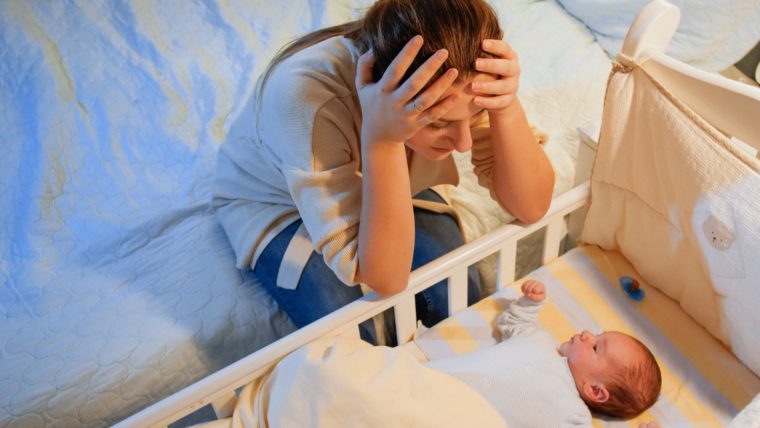


Postpartum bipolar depression is something we do not hear about every day. Most people are more familiar with postpartum depression, and even then, many do not know what it really feels like. But we have worked with parents over the years who came to us feeling lost, like something was going on deep down and no one could quite explain what it was. We have seen women go months without knowing what they were dealing with had a name.
That is the tricky part. Postpartum bipolar depression can show up in ways that do not always match what people expect. Maybe someone feels incredible energy one day, then cannot get out of bed the next. It is confusing, especially during a time that is already full of change. It can be a real relief once people hear the term for what they are going through and start learning what it really means.
What Is Postpartum Bipolar Disorder
It is easy to mix up postpartum bipolar disorder with postpartum depression. They can overlap, especially at first. But with time and experience, we have learned how different they really are.
Postpartum bipolar disorder usually includes deep lows and very high highs. These mood swings can be quick and intense. Someone might feel like they can take on the world one day, talking fast, making big plans, spending money, or skipping sleep, only to crash into exhaustion or sadness shortly after. That kind of swing is not just regular tiredness or stress.
One thing that stands out is how it does not always show up right away. For some, symptoms begin within the first few weeks after birth. Others do not notice anything until months later. That gap can make it even harder to connect the dots. We have spoken with parents who blamed themselves, wondering why things got harder after they thought they were over the hump.
Early Signs That Something More Might Be Going On
Over time, we have seen how common it is for people to explain away early signs of bipolar disorder. Racing thoughts? That gets brushed off as just overthinking. Not needing sleep? “That is just having a newborn.” But these signs can build. People have told us they start feeling unusually energetic or irritable. Then, without warning, they crash into sadness or feel completely worn down.
These are not just feelings that pass in a day or two. When ups and downs feel out of control, when moods shift fast or feel extreme, it might be time to stop and notice what is really happening.
Often, loved ones are the first to notice something changes. We have had partners and family members say, “She just did not seem like herself.” What they often mean is that something deep shifted, and now moods are taking over in ways that feel different, not like just another rough night.
Why It Is Hard to Talk About
One of the hardest things we have seen is when someone does not speak up because they think they are the only one. We have worked with moms who felt ashamed for feeling high-energy one moment and sad the next. They thought they were supposed to be tired, supposed to be patient, supposed to bounce back quickly. When those things did not come, they told themselves they must be doing something wrong.
And when they tried to explain it to others, they often heard, “It is just the baby blues,” or, “That is just stress.” Words like that can shut people down. They stop sharing. They start wondering if anyone will truly understand. That is why calling it what it is can help. Saying the words “postpartum bipolar disorder” gives shape to the feelings. It opens a door.
We have seen how that small shift, from confusion to naming, can turn the whole story. It makes room for support, for questions, and for healing to begin.
What Support Can Look Like
We always remind people that you do not have to figure this out on your own. Postpartum bipolar disorder is not something we can just power through. It is not the kind of thing that goes away with more sleep or better routines.
In our experience, the support that really helps usually begins with someone trained to spot maternal mental health patterns. These are therapists who understand what the early signs look like, who know how bipolar symptoms can show up in everyday life, and who work with new parents often.
Illinois families can connect with specialized maternal mental health professionals through the Postpartum Depression Alliance of Illinois. The organization offers a free, confidential support helpline and provides resources for finding counseling and support groups statewide.
Support might look a few different ways:
• A safe space to talk without shame or judgment
• Creating structure to understand patterns in moods and behaviors
• Learning how to manage the tough days in a way that brings some calm
We have heard from many parents who say the biggest comfort was hearing, “You are not alone.” When that message comes from someone who truly gets it, something shifts. It gives people a chance to breathe, to feel seen, and to take a first step forward.
Moving Forward with Hope and Help
Postpartum bipolar depression is tough. But we have seen how naming it and talking about it can change how it feels. Feeling alone in it does not mean someone is broken, it just means no one has helped connect the dots yet.
We have seen parents take brave steps to ask for help and listen to their own instincts, even when others did not understand. That kind of strength deserves more credit. The Postpartum Depression Alliance of Illinois is dedicated to promoting awareness, prevention, and treatment of maternal mental health issues across Illinois, supporting families every step of the way.
Finding Answers and Support
If anything here sounds familiar, know that help exists, and it is okay to reach out. We have seen how finding the right support can bring back a sense of self, one step at a time. The Postpartum Depression Alliance of Illinois is here to support you, whenever you are ready.
Making sense of sudden mood swings or highs and lows after having a baby can feel confusing, especially when it does not quite fit what most people expect from postpartum depression. At the Postpartum Depression Alliance of Illinois, we want to help you get answers so if you have questions or are unsure about next steps, please contact us.
You May Also Be Interested In:
A More General Article About Bipolar Disorder
Understanding Bipolar Disorder and Mood Swings: How Therapy Can Help