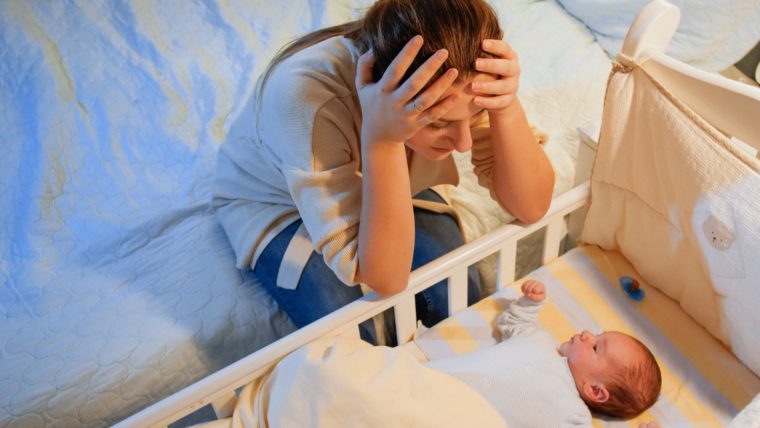


Postpartum Depression (PPD) and Postpartum Anxiety (PPA) are significant mental health issues that affect many new parents. It’s crucial to understand that you are not alone, and these conditions are more common than you might think. Identifying symptoms early can help you seek the right support and treatment.
PPD can make you feel sad, hopeless, and overwhelmed, while PPA might cause constant worry and panic attacks. Recognizing these signs is the first step in managing them. Statistics show that about 1 in 7 women experience PPD, according to the American Psychological Association. PPA is also prevalent, affecting many parents, yet it’s less talked about.
Addressing these conditions promptly is essential for your well-being and your family’s health. Various factors, like hormonal changes and personal history, can influence how long PPD and PPA last.
Sometimes, these conditions don’t appear immediately after birth, making them harder to identify. Understanding the duration and impact will help you take proactive steps toward recovery.
Understanding Postpartum Depression and Anxiety
Postpartum Depression (PPD) is a type of depression that occurs after childbirth. It’s more than just the “baby blues,” which many new mothers experience. PPD can severely impact your ability to function and take care of your baby. You may feel overwhelming sadness, hopelessness, or a lack of interest in activities you once enjoyed.
Postpartum Anxiety (PPA) is less talked about but just as significant. PPA involves intense anxiety and worry, often about the baby’s health and safety. It can include symptoms like constant fear, panic attacks, and trouble sleeping. Both PPD and PPA can make enjoying motherhood difficult, leading to strain on family relationships.
Symptoms of PPD and PPA
Common signs of PPD include persistent feelings of sadness, loss of appetite, severe fatigue, and thoughts of harming yourself or your baby. You might also feel detached from your baby, have trouble bonding, or experience overwhelming guilt.
PPA symptoms include excessive worry, feelings of dread, and physical symptoms like a racing heart. You might avoid certain activities out of fear something bad will happen. Panic attacks, which can make you feel like you’re having a heart attack, are also common.
How PPD and PPA Differ
While both PPD and PPA affect mental health, they are distinct conditions. PPD primarily involves mood disturbances and depressive symptoms. PPA, on the other hand, centers around excessive worry and anxiety.
Statistics from the Centers for Disease Control and Prevention (CDC) show that 11-20% of women who give birth experience PPD symptoms. Understanding these differences and statistics can help you recognize what you’re going through and seek appropriate help.
Factors Influencing the Duration and Onset of PPD and PPA
Common Factors That Influence PPD and PPA
Unlike the baby blues, PPD and PPA can emerge at any point during the first year after delivery. These conditions are not simply a passing phase but require careful attention and intervention.
Various factors can influence the duration and onset of PPD and PPA. Hormonal changes after childbirth are a significant factor. The sudden drop in estrogen and progesterone levels can affect your mood. Personal history also plays a role. If you have a history of depression or anxiety, you might be more susceptible to PPD or PPA.
Other factors include lack of support from family and friends, high-stress levels, and major life changes. Sleep deprivation, common among new parents, can also worsen symptoms.
Delayed Onset: Understanding Late-Appearing Symptoms
PPD and PPA don’t always appear immediately after childbirth. Sometimes, symptoms can develop weeks or even months later. This delayed onset can make it harder to identify and understand what’s happening. If symptoms appear later, you might not connect them to the birth, making it challenging to seek the right help.
Delayed onset of PPD and PPA can be influenced by prolonged stress, ongoing lack of sleep, or an overwhelming feeling of responsibility for caring for a new baby. Being aware that these conditions can develop later is important for timely intervention.
Consequences of Untreated PPD and PPA
Impact on the Mother
Untreated PPD and PPA can have serious consequences for the mother. Ongoing depression can lead to chronic sadness, overwhelming fatigue, and feelings of worthlessness. These symptoms can make it hard to care for yourself and your baby. You may lose interest in daily activities, leading to poor nutrition and neglect of personal health.
Anxiety can be equally crippling. Constant worry and fear can prevent you from enjoying time with your child. You might find yourself avoiding social situations and missing out on support from friends and family. The mental strain can also affect your physical health, leading to headaches, stomach problems, and other stress-related conditions.
Effect on Family and Partner
The effects of untreated PPD and PPA extend beyond the mother. Partners and families often feel the impact too. Communication may break down as the mother struggles with her emotions. This can cause tension and misunderstandings in the relationship. Partners might feel helpless or frustrated, not knowing how to provide the right support.
Children can also be affected. Infants may sense the mother’s distress, making them fussy or hard to soothe. Older children might feel confused or neglected. The entire family dynamic can suffer, making it harder for everyone to cope and thrive. Recognizing these impacts highlights the importance of early intervention and support.
Risks of Not Getting Treatment
Ignoring PPD and PPA can lead to severe risks. Untreated depression can spiral into more intense mental health issues, including thoughts of self-harm or suicide. Anxiety might evolve into panic disorders or obsessive-compulsive behaviors. These conditions make daily functioning challenging and can have long-lasting effects.
Without proper treatment, the quality of life and that of your family can drastically deteriorate. Relationships can become strained or even break under the pressure. Seeking help as soon as symptoms are recognized is crucial for preventing these negative outcomes.
Effective Treatments for PPD and PPA
There are various effective treatments for PPD and PPA. Therapy is a common and successful method. Cognitive-behavioral therapy (CBT) can help you change negative thought patterns and behaviors. Talking to a postpartum therapist who specializes in maternal mental health can provide the tools you need to manage your symptoms.
Medication can also be helpful. Antidepressants and anti-anxiety medications prescribed by a healthcare provider can provide relief. It’s important to discuss the benefits and risks with your doctor to find the right treatment plan for you. Support groups can also offer a space to share experiences and gain insights from others facing similar challenges.
How to Seek Help and Support
Seeking help can be daunting, but it’s a crucial step toward recovery. Start by talking to your healthcare provider about your symptoms. They can refer you to specialists who understand PPD and PPA. Friends and family can also be a great source of emotional support.
Online resources provide information and community support. Look for reputable organizations the Postpartum Depression Alliance of IL or Postpartum Support International that offer guidance and help specific to postpartum issues. Don’t hesitate to reach out when you need it; support is available and can make a huge difference in your recovery journey.
Conclusion
The duration of PPD and PPA varies considerably among individuals. Without appropriate treatment, these conditions can persist for months, and in some cases, even years, potentially evolving into a chronic condition.
However, with timely and effective interventions such as therapy, medication, and a robust support system, significant symptom reduction and a shorter duration of illness are achievable.
Understanding how long postpartum depression and anxiety can last is important for seeking timely help. Recognizing the symptoms, knowing the influencing factors, and understanding the risks of not getting treatment are crucial steps. Early intervention can significantly improve your mental health and overall well-being.
Our support volunteers at the Postpartum Depression Alliance of Illinois are dedicated to supporting you through every stage of this journey. Don’t wait to seek help if you’re experiencing symptoms of PPD or PPA. Contact us today for resources, support groups, and professional guidance tailored to your needs.
You May Also Be Interested In: