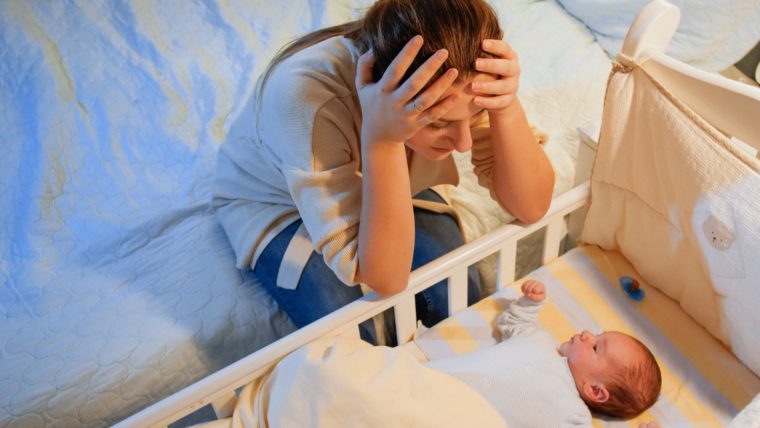

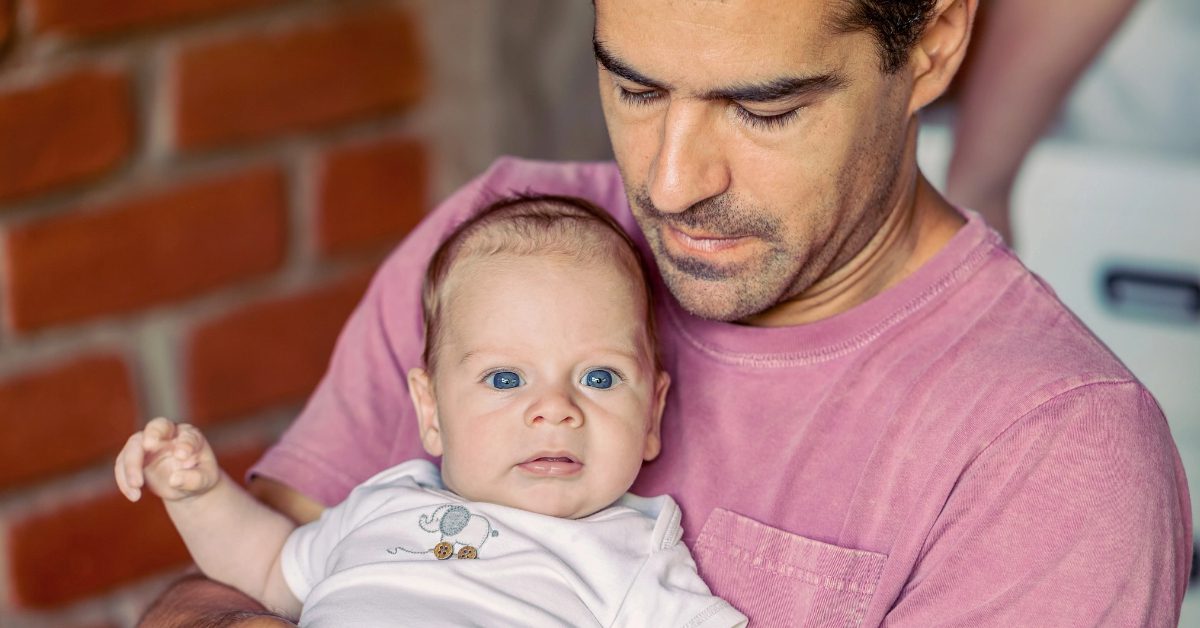
When a baby arrives, life often feels like it’s a whirlwind feedings, diaper changes and not enough sleep. For many years research has focused on how moms are adjusting during this time, overlooking the emotional and mental struggles that new fathers can face too.
Bringing awareness to both maternal and paternal mood disorders is important because both can affect the entire family. When one partner struggles, the impact touches everyone else in the household. Recognizing the signs of postpartum mood disorders early in fathers can help in providing much-needed support and treatment.
Understanding Male Postpartum Depression
You might wonder what male postpartum depression actually is. It’s a type of depression that new fathers may experience shortly after their child is born. While most people associate postpartum depression with new moms, dads can also be affected.
Look for these common signs in new dads. They might show unusual fatigue or have a hard time finding joy in activities they once loved. They could also pull away from friends and family.
Here’s a quick rundown of key symptoms:
– Persistent sadness or low mood
– Irritability or anger
– Feelings of worthlessness or guilt
– Difficulty concentrating or making decisions
– Changes in energy levels, either fatigue or restlessness
It’s important to note the differences between male and female postpartum depression. For instance, men might express their depression through irritability or anger rather than sadness. Being aware of these nuances helps in identifying and addressing the problem effectively, so dads can get the help they need.
Causes of Male Postpartum Depression
Why do these feelings arise in new fathers? Stress is a major factor. The responsibility of caring for a new life while juggling work stress and household duties can be overwhelming. There’s also the pressure that comes with wanting to be a perfect partner and parent, which can weigh heavily on a father’s as well as a mother’s mind.
Relationship dynamics can feel the strain too. Long-standing patterns of communication might change or become stressed during this time. Misunderstandings or a lack of support can create friction, adding emotional pressure on new fathers.
Hormonal changes can also play a role. Yes, men undergo hormonal shifts too, though not to the extent that women do. Fluctuations in testosterone have been linked to increased feelings of depression among new dads.
Male postpartum depression is more common than you might think. Understanding its causes gives us the insight needed to support dads as they try to balance this new chapter in their lives. Recognizing these challenges is a step toward a healthier family dynamic.
Signs Your Partner May Have Male Postpartum Depression
Recognizing signs of male postpartum depression can be challenging. Many fathers hesitate to express their feelings, often leading to signals that are misunderstood or ignored. Increased irritability might be mistaken for typical stress or tiredness during this busy time. However, if you notice persistent irritation or anger, it’s worth taking a closer look.
Withdrawal from family and social activities is another red flag. If your partner starts to isolate himself or frequently backs out of social gatherings, it could be more than just exhaustion. Changes in sleep patterns, like struggling to sleep when the baby is finally resting, or feeling constantly fatigued, are common indicators.
Look out for:
– Loss of interest in hobbies or work
– Frequent feelings of sadness, hopelessness, or anxiety
– Less engagement in family activities or bonding with the baby
It’s crucial to observe these patterns over days and weeks, recognizing any ongoing changes that stand out from their usual behavior.
How to Support a Partner with Male Postpartum Depression
Providing support to someone experiencing male postpartum depression requires compassion and patience. Encouraging open communication is key. Ensure your partner feels safe expressing his feelings without judgment. Sometimes a simple “How are you doing?” can open the door to a meaningful conversation.
Here are some steps you can take:
1. Talk and Listen: Create space for honest discussions about feelings and experiences.
2. Suggest Professional Help: Encourage seeking support from healthcare providers when needed.
3. Support Healthy Habits: Help establish a routine that includes exercise, healthy eating, and adequate rest.
4. Promote Self-care: Remind both yourself and your partner about the importance of personal time.
Building a loving and supportive environment is essential. Sometimes, the simplest acts, like sharing a quiet moment or sitting together without the pressure to talk, can make all the difference.
Finding Help and Support
Understanding where to turn for help is a big part of addressing male postpartum depression. Various resources are available for fathers needing assistance, whether through support groups or professional therapy. Joining groups where other fathers share similar experiences can create a sense of belonging and understanding. It’s about knowing you’re not alone in this journey and that help is nearby whenever you need it.
Postpartum Support International runs online groups especially for dads. Click here for more INFO.
Supporting Each Other Through the Journey
Both partners play a crucial role in supporting each other through the ups and downs of parenting. Being proactive about recognizing and addressing male postpartum depression strengthens the relationship and ensures a more balanced family environment. Open communication, joint problem-solving, and shared responsibilities build trust and partnership.
Navigating this chapter together means celebrating small victories and learning from challenges. Lean on each other for strength, share the load, and create an environment where both partners feel heard and supported. This journey of becoming a parent, with all its trials and triumphs, can lead to a deeper understanding and a stronger bond between you both.
If you or someone you know is experiencing the symptoms of male postpartum depression, remember that you don’t have to face this alone. The Postpartum Depression Alliance of Illinois is here to support families in finding balance and well-being. Discover effective strategies and resources to help create a healthier and happier family environment. How We Can Help!
You Might Also Be Interested In: